

Introduction
The global optical instrument and lens manufacturing industry stands at an inflection point. With market valuations reaching $50.6 billion in 2024 and projected to climb to $52.93 billion in 2025, this sector is experiencing unprecedented growth driven by digital content creation, advanced imaging technologies, and emerging applications in AR/VR systems. Whether you’re a photography enthusiast, a professional filmmaker, or someone seeking precision optical solutions, understanding the landscape of modern lens manufacturing has never been more relevant.
Leeds Lens leads this transformation, specializing in camera lenses, lens adapters, telescopes, and custom hardware solutions that serve photographers, astronomers, and precision-driven industries worldwide. As manufacturers continue to innovate with AI-assisted imaging and adaptive lens technologies, companies like Leeds Lens are at the forefront of delivering cutting-edge optical solutions tailored to evolving market demands.
This comprehensive guide explores the optical instrument and lens manufacturing industry in 2025, covering market dynamics, manufacturing processes, emerging trends, and why precision craftsmanship matters now more than ever.
Market Overview: The State of Optical Manufacturing in 2025
The optical lens market is experiencing robust expansion. Key metrics reveal:
Global optical lens market: Projected to grow from $21.08 billion in 2025 to $39.58 billion by 2032, representing an 8.8% compound annual growth rate (CAGR)
Camera lens segment: Expected to reach $9,450 million in 2025, growing at 7.5% CAGR through 2033
Lens adapter market: Valued at $1.2 billion in 2024, projected to reach $2.5 billion by 2033, with an 8.8% CAGR
Optical instrument manufacturing: Estimated at $32.79 billion in 2025, expected to reach $45.83 billion by 2032
These numbers underscore a fundamental truth: optical instruments and lenses are no longer niche products. They’ve become essential infrastructure for content creation, scientific research, medical imaging, and consumer electronics.
What's Driving This Growth?
1. The Content Creation Boom
Social media platforms, YouTube, TikTok, and streaming services have created an unprecedented demand for high-quality visual content. Hobbyist photographers and professional videographers alike are investing in premium optical equipment. This shift has elevated lens manufacturing from a specialized craft to a high-volume, innovation-driven industry.
2. Technological Advancements
Modern lens design incorporates AI-assisted imaging, improved optical coatings for enhanced clarity, and sophisticated autofocus systems. These innovations directly translate to superior image quality, driving consumers to upgrade their equipment regularly.
3. Mirrorless Camera Proliferation
The transition from DSLR to mirrorless camera systems has created significant demand for lens adapters. These adapters enable photographers to use legacy lenses on modern camera bodies—a trend that’s pushing the adapter market at an 8.8% annual growth rate.
4. Emerging Applications
Beyond traditional photography, optical lenses are increasingly integrated into AR/VR headsets, medical imaging devices, and autonomous systems. This diversification reduces dependency on any single market segment and opens new revenue streams for manufacturers.
5. Geographic Expansion
Asia-Pacific, particularly China and Japan, is emerging as a significant growth engine due to rapid technological adoption and a large consumer base. Meanwhile, North America remains the largest market, with strong demand from professional and hobbyist segments.
Leeds Lens: Positioning in the Marke
Leedsen Lens distinguishes itself through a diversified product portfolio and commitment to precision manufacturing:
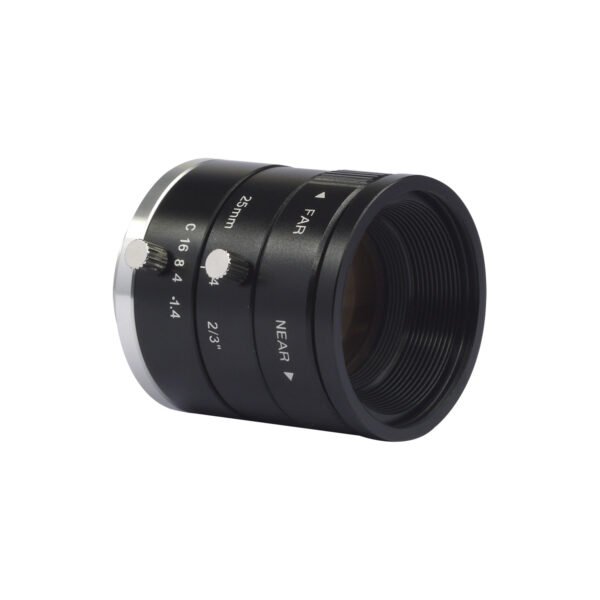
Camera Lenses: High-performance optics designed for professional and enthusiast photographers
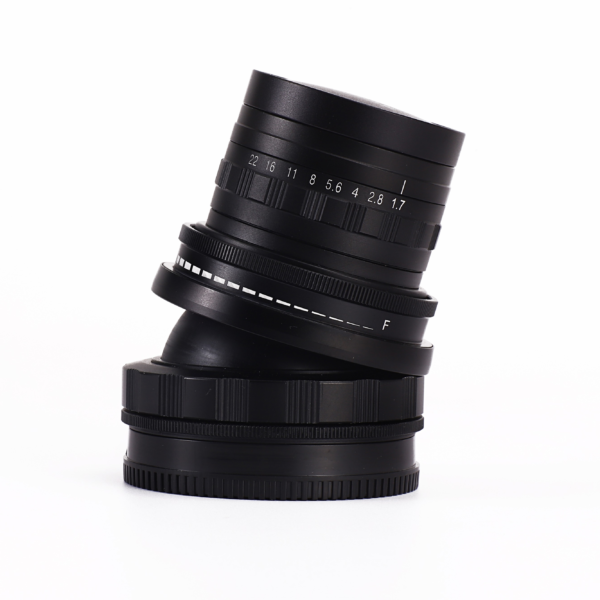
Lens Adapters: Electronic and mechanical solutions enabling cross-brand compatibility
Telescopes: Optical systems for astronomy and terrestrial observation
Custom Hardware: Bespoke manufacturing solutions for specialized applications
By combining traditional optical craftsmanship with modern precision engineering, Leeds Lens addresses the full spectrum of optical instrument needs. The company’s focus on custom solutions positions it advantageously as industries demand increasingly specialized optical components.
Key Manufacturing Variables
The cost and quality of custom lenses depend on:
Raw Material Selection: Glass, plastic, or specialized materials each offer different optical and cost properties
Optical Specifications: Higher precision requirements increase costs exponentially—even small improvements in optical performance can significantly raise manufacturing expenses
Shape Complexity: Non-standard geometries require specialized tooling and expertise
Production Volume: Larger quantities enable economies of scale; automation becomes viable for volumes exceeding 1,000+ units
Leeds Lens utilizes all three manufacturing methods, enabling flexibility to serve everything from small specialty orders to high-volume commercial production.
Current Industry Trends Reshaping Optical Manufacturing
1. AI and Automation Integration
Artificial intelligence is revolutionizing optical manufacturing operations:
Cost Reduction: AI-driven process optimization can reduce operational costs by 25-35% compared to traditional manufacturing
Quality Assurance: Machine learning algorithms detect defects in real-time, improving yield rates
Design Optimization: AI simulates optical performance across countless design variations, accelerating development cycles
Predictive Maintenance: IoT sensors predict equipment failures before they occur, reducing downtime
2. Sustainability and Eco-Conscious Manufacturing
Environmental responsibility has shifted from marketing advantage to competitive necessity:
Companies increasingly use recycled materials and eco-friendly production processes
Manufacturing lead times are being reduced by up to 30% through localized production strategies
Carbon footprint reduction in lens coatings and material processing has become standard practice
3. Advanced Coatings and Materials
Optical coatings determine whether light is efficiently transmitted or lost through reflection:
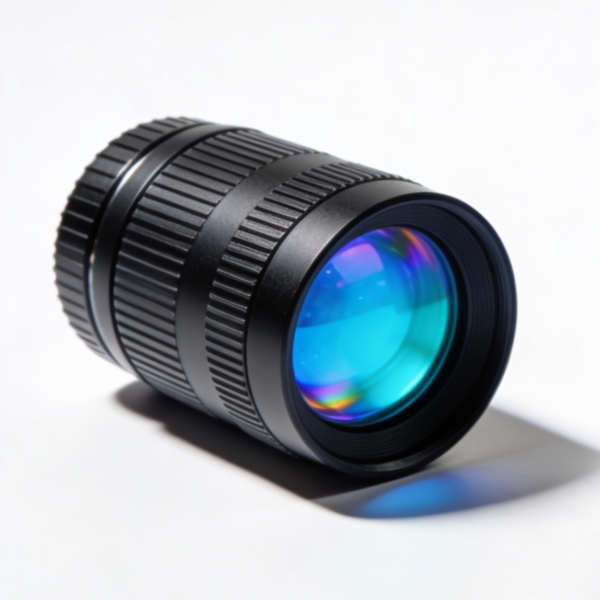
Anti-reflective coatings: Minimize light loss through multiple lens surfaces
Hydrophobic coatings: Improve durability and ease of cleaning
Specialized coatings: UV protection, infrared filtration, and color correction for specific applications
Materials are evolving too—fused silica, borosilicate glass, and advanced polymers offer superior performance characteristics compared to traditional optical glass.
4. Precision Metrology and Quality Control
Modern manufacturing demands sophisticated measurement capabilities:
Computer-controlled centering scopes validate lens positioning within fractions of microns
Autocollimators measure angles with unprecedented precision
Interferometry techniques verify surface accuracy and optical performance
These capabilities ensure consistency across production runs and validate that lenses meet ISO 10110 specifications—the global standard for optical lens documentation.
5. Mirrorless Camera Ecosystem Expansion
The shift to mirrorless systems continues accelerating, with profound implications for lens manufacturers:
Smaller lens mount distances enable new optical designs impossible with DSLR systems
Electronic lens adapters maintain autofocus, aperture control, and image stabilization—creating new product categories
Lightweight, compact lens designs attract photographers transitioning from DSLRs
Current Industry Trends Reshaping Optical Manufacturing
1. Professional Photography and Cinematography
The largest segment remains professional imaging, driven by:
Commercial photography and fashion
Film and television production
Documentary and news gathering
Broadcast and streaming media
Growth Driver: Rising demand for 8K and higher-resolution content
2. Consumer Photography and Content Creation
Explosive growth in this segment reflects:
Influencer and creator economy expansion
Social media platform growth
Accessibility of professional-quality equipment at consumer prices
Growth Driver: 46% of consumers now identify as content creators or aspire to be
3. Scientific and Medical Imaging
Specialized optical instruments serve:
Microscopy and medical diagnostics
Astronomical observation
Precision measurement and inspection
Quality assurance in manufacturing
Growth Driver: Increased investment in healthcare and industrial automation
4. Smartphone and Consumer Electronics
While often overlooked, smartphone camera lenses represent massive volume:
Smartphone camera lens market projected at $11.14 billion by 2031
Integration of multiple lens modules (wide, ultra-wide, macro, telephoto)
Computational photography demanding increasingly sophisticated optics
Growth Driver: Smartphone upgrade cycles and multi-camera systems becoming standard
5. Emerging Technologies
AR/VR, autonomous vehicles, and drone applications collectively represent:
Fastest-growing optical component segment
Demand for ultra-compact, lightweight designs
Integration with electronic systems and sensors